The German verb wollen - to want

The German verb wollen – to want

The verb wollen – to want modal verb, formed with haben Below are the verb tables detailing how the German verb wollen is formed depending on the tense of the sentence. Knowing the different forms of wollen through the tenses will allow you to construct sentences much easier. Present Tense Future Tense Conditional Tense ich […]

Read the Full Blog Post

Sun, Mar 27th 2011 |
No Comments
German Vocabulary: North American Countries in German

German Vocabulary: North American Countries in German

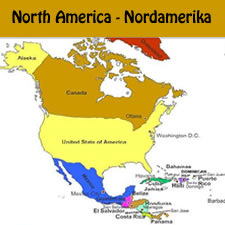
North American Countries In German In this post we are looking at North American countries and the German translations. The list below includes all countries found in North America, Central America and the Caribbean. Some of these countries will by their nature be rarely used in normal conversations, however many will be commonly used. Most […]

Read the Full Blog Post

Wed, Mar 23rd 2011 |
No Comments
Advanced German Alphabet- Double Vowels and Consonants

Advanced German Alphabet- Double Vowels and Consonants

Advanced German Alphabet- Double Vowels and Grouped Consonants In this post, we are looking at the advanced features of the German alphabet. We are looking at the pronounciation of words with double vowels and grouped consonants. Below is a table showing the different combinations of vowels and consonants that are important to learn to help […]

Read the Full Blog Post

Wed, Mar 16th 2011 |
No Comments
The German verb kommen - to come

The German verb kommen – to come

The verb kommen – to come strong verb, formed with sein Below are the verb tables detailing how the German verb kommen is formed depending on the tense of the sentence. Knowing the different forms of kommen through the tenses will allow you to construct sentences much easier. Present Tense Future Tense Conditional Tense ich […]

Read the Full Blog Post

Sun, Mar 13th 2011 |
1 Comment
German Conjunctions - 2 Part Conjunctions

German Conjunctions – 2 Part Conjunctions

What are 2 Part German Conjunctions? The German language has conjunctions which have two parts. But don’t worry, it’s not difficult to learn as English has two part conjunctions too 🙂 The most common German two part conjunctions are: sowohl…als auch weder…noch entweder…oder nicht nur…sondern auch The conjunction sowohl…als auch (both…and) Sowohl sein Bruder als […]

Read the Full Blog Post

Wed, Mar 2nd 2011 |
6 Comments
The German verb geben - to give

The German verb geben – to give

The verb geben – to give strong verb, formed with haben Below are the verb tables detailing how the German verb geben is formed depending on the tense of the sentence. Knowing the different forms of geben through the tenses will allow you to construct sentences much easier. Present Tense Future Tense Conditional Tense ich […]

Read the Full Blog Post

Sun, Feb 27th 2011 |
No Comments
German Conjunctions

German Conjunctions

What are Conjunctions in German A conjunction is a word which links two sentences. Very common English conjunctions are “and”, “but” and “because”. The most common German conjunctions are aber, als, da, damit, dass, denn, ob, obwohl, oder, sondern, um…zu, und, während, wenn, and weil. Below are some examples of how the most common German […]

Read the Full Blog Post

Wed, Feb 23rd 2011 |
11 Comments
German Vocabulary: All about work

German Vocabulary: All about work

In this post we are looking at German vocabulary used in and at work. We have split the vocabulary below into masculine, feminine and neuter words. Masculine words der Angestellte employee der Arbeiter worker, labour der Arbeitgeber employer der Arbeitskollege the working colleague der Arbeitslohn wages, pay der Arbeitslose the unemployed man/woman der Arbeitnehmer employee […]

Read the Full Blog Post

Wed, Feb 16th 2011 |
4 Comments
The German verb nehmen - to take

The German verb nehmen – to take

The verb nehmen – to take strong verb, formed with haben Below are the verb tables detailing how the German verb nehmen is formed depending on the tense of the sentence. Knowing the different forms of nehmen through the tenses will allow you to construct sentences much easier. Present Tense Future Tense Conditional Tense ich […]

Read the Full Blog Post

Sun, Feb 13th 2011 |
No Comments
Verbs followed by the Dative Case

Verbs followed by the Dative Case

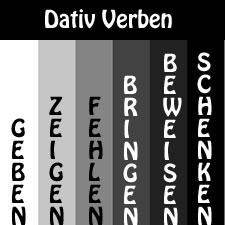
We thought it was time to make a list of the verbs which are followed by the dative case. So here it is: These German verbs are followed by the dative case. You can also read our other blog How the German Cases work – Nominative, Accusative, Dative and Genitive 🙂 German verb English verb […]

Read the Full Blog Post

Wed, Feb 9th 2011 |
No Comments
Frankfurt - A Guide to Frankfurt

Frankfurt – A Guide to Frankfurt

Frankfurt is the only skyscraper city in Germany with about 660000 inhabitants. The urban area alone has 5 million inhabitants. Frankfurt is the financial heart of Germany, indeed, it is the financial heart of Europe with the European Central Bank. Frankfurt’s stock market is one of the world’s largest stock exchange. Besides the financial side, […]

Read the Full Blog Post

Wed, Feb 2nd 2011 |
1 Comment
The German verb schreiben - to write

The German verb schreiben – to write

The verb schreiben – to write strong verb, formed with haben Below are the verb tables detailing how the German verb schreiben is formed depending on the tense of the sentence. Knowing the different forms of schreiben through the tenses will allow you to construct sentences much easier. Present Tense Future Tense Conditional Tense ich […]

Read the Full Blog Post

Sun, Jan 30th 2011 |
No Comments
There is/There are

There is/There are

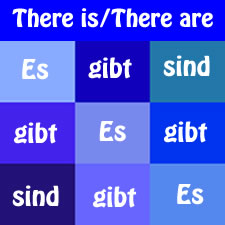
In this blog, we’ll have a look at two important phrases which are used on a daily basis. One of them is the expression: There is and the other one is the plural form There are. There is – Es gibt The expression “Es gibt” is always followed by the accusative case. The object is […]

Read the Full Blog Post

Wed, Jan 26th 2011 |
13 Comments
German Vocabulary: African Countries in German

German Vocabulary: African Countries in German

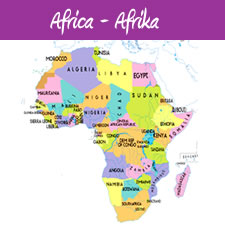
African Countries In German In this post we are looking at all the African countries and what the German translation is. The list below includes all countries found in the African territory and considered part of Africa. Some of these you will very rarely use but many are used often in general conversation so are […]

Read the Full Blog Post

Wed, Jan 19th 2011 |
1 Comment
The German verb lesen - to read

The German verb lesen – to read

The verb lesen – to read strong verb, formed with haben Below are the verb tables detailing how the German verb lesen is formed depending on the tense of the sentence. Knowing the different forms of lesen through the tenses will allow you to construct sentences much easier. Present Tense Future Tense Conditional Tense ich […]

Read the Full Blog Post

Sun, Jan 16th 2011 |
No Comments
How to Count in German - Numbers

How to Count in German – Numbers

How to count in German: In this article we are looking at how to count in german. Below is a table showing the key numbers and how they are written. At the bottom of this article is a video which goes through the numbers so you can hear how each of them are pronounced. 0 […]

Read the Full Blog Post

Wed, Jan 12th 2011 |
1 Comment
The German verb sagen - to say

The German verb sagen – to say

The verb sagen – to say weak verb, formed with haben Below are the verb tables detailing how the German verb sagen is formed depending on the tense of the sentence. Knowing the different forms of sagen through the tenses will allow you to construct sentences much easier. Present Tense Future Tense Conditional Tense ich […]

Read the Full Blog Post

Sun, Jan 2nd 2011 |
No Comments
German Word Order and Sentence Structure Part 2

German Word Order and Sentence Structure Part 2

German Word Order In our first post on the word order of a German sentence, we looked at simple sentences with only one verb. In this article we are going to look at some examples of sentences that contain two verbs. This also includes the German past and future tense and we will give you […]

Read the Full Blog Post

Wed, Dec 29th 2010 |
6 Comments
German Vocabulary - All About Christmas

German Vocabulary – All About Christmas

It’s Christmas and we thought that is the perfect time to post some useful words around the topic Christmas 🙂   Masculine words der Adventskalender Advent calender der Engel angel der Heiligabend Christmas Eve der Lebkuchen gingerbread der Nikolaus St Nicholas’ Day der Stern star der Tannenbaum fir tree der Weihnachtsbaum Christmas tree erster Weihnachtsfeiertag […]

Read the Full Blog Post

Wed, Dec 22nd 2010 |
2 Comments
The German verb machen - to make

The German verb machen – to make

The verb machen – to make weak verb, formed with haben Below are the verb tables detailing how the German verb machen is formed depending on the tense of the sentence. Knowing the different forms of machen through the tenses will allow you to construct sentences much easier. Present Tense Future Tense Conditional Tense ich […]

Read the Full Blog Post

Mon, Dec 20th 2010 |
No Comments