
Wed, Jan 26th 2011
There is/There are

There is/There are

Posted in: German Grammar

In this blog, we’ll have a look at two important phrases which are used on a daily basis. One of them is the expression: There is and the other one is the plural form There are. There is – Es gibt The expression “Es gibt” is always followed by the accusative case. The object is […]

Read the Full Blog Post


Wed, Jan 19th 2011
German Vocabulary: African Countries in German

German Vocabulary: African Countries in German

Posted in: German Vocabulary

African Countries In German In this post we are looking at all the African countries and what the German translation is. The list below includes all countries found in the African territory and considered part of Africa. Some of these you will very rarely use but many are used often in general conversation so are […]

Read the Full Blog Post


Sun, Jan 16th 2011
The German verb lesen - to read

The German verb lesen – to read

Posted in: German Verb Table, German Verbs

The verb lesen – to read strong verb, formed with haben Below are the verb tables detailing how the German verb lesen is formed depending on the tense of the sentence. Knowing the different forms of lesen through the tenses will allow you to construct sentences much easier. Present Tense Future Tense Conditional Tense ich […]

Read the Full Blog Post


Wed, Jan 12th 2011
How to Count in German - Numbers

How to Count in German – Numbers

Posted in: German Vocabulary

How to count in German: In this article we are looking at how to count in german. Below is a table showing the key numbers and how they are written. At the bottom of this article is a video which goes through the numbers so you can hear how each of them are pronounced. 0 […]

Read the Full Blog Post


Sun, Jan 2nd 2011
The German verb sagen - to say

The German verb sagen – to say

Posted in: German Verb Table, German Verbs

The verb sagen – to say weak verb, formed with haben Below are the verb tables detailing how the German verb sagen is formed depending on the tense of the sentence. Knowing the different forms of sagen through the tenses will allow you to construct sentences much easier. Present Tense Future Tense Conditional Tense ich […]

Read the Full Blog Post


Wed, Dec 29th 2010
German Word Order and Sentence Structure Part 2

German Word Order and Sentence Structure Part 2

Posted in: German Grammar

German Word Order In our first post on the word order of a German sentence, we looked at simple sentences with only one verb. In this article we are going to look at some examples of sentences that contain two verbs. This also includes the German past and future tense and we will give you […]

Read the Full Blog Post


Wed, Dec 22nd 2010
German Vocabulary - All About Christmas

German Vocabulary – All About Christmas

Posted in: German Vocabulary

It’s Christmas and we thought that is the perfect time to post some useful words around the topic Christmas 🙂   Masculine words der Adventskalender Advent calender der Engel angel der Heiligabend Christmas Eve der Lebkuchen gingerbread der Nikolaus St Nicholas’ Day der Stern star der Tannenbaum fir tree der Weihnachtsbaum Christmas tree erster Weihnachtsfeiertag […]

Read the Full Blog Post


Mon, Dec 20th 2010
The German verb machen - to make

The German verb machen – to make

Posted in: German Verb Table, German Verbs

The verb machen – to make weak verb, formed with haben Below are the verb tables detailing how the German verb machen is formed depending on the tense of the sentence. Knowing the different forms of machen through the tenses will allow you to construct sentences much easier. Present Tense Future Tense Conditional Tense ich […]

Read the Full Blog Post


Wed, Dec 15th 2010
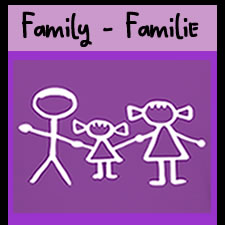
German Vocabulary - All about family

German Vocabulary – All about family

Posted in: German Vocabulary

All about family Here are some essential German words around the topic family. The table divides the words into masculine, female and neutral words. This will help you with remembering the genders 🙂   Masculine words der Bruder brother der Cousin cousin der Ehemann husband der Enkel grandson der Freund friend der Großvater grandfather der […]

Read the Full Blog Post


Wed, Dec 8th 2010
Vocabulary - 40 important German Verbs

Vocabulary – 40 important German Verbs

Posted in: German Verbs, German Vocabulary

40 important German Verbs We thought it was time to make a list of the most important German verbs. So here it is: The 40 most important German verbs. You can also read our other blogs How German Verbs work in the Present Tense Part 1 and Part 2 🙂 arbeiten to work beginnen to […]

Read the Full Blog Post


Sun, Dec 5th 2010
The German verb gehen - to go

The German verb gehen – to go

Posted in: German Verb Table, German Verbs

The verb gehen – to go strong verb, formed with sein Below are the verb tables detailing how the German verb gehen is formed depending on the tense of the sentence. Knowing the different forms of gehen through the tenses will allow you to construct sentences much easier. Present Tense Future Tense Conditional Tense ich […]

Read the Full Blog Post


Wed, Dec 1st 2010
München - A Guide to Munich (München)

München – A Guide to Munich (München)

Posted in: Useful Information Germany

Munich is the capital of the county Bavaria and is, with 1.36 million inhabitants, the third biggest city in Germany. Munich is well known for its cosiness, its designer boutiques and of course for the Oktoberfest. In this blog, we want to give you some useful information about Munich 😀 Sights: The main tourist attractions […]

Read the Full Blog Post


Wed, Nov 24th 2010
German Relative Pronouns and how to use them

German Relative Pronouns and how to use them

Posted in: German Grammar

What is a relative pronoun? A relative pronoun is used to make it clear who or what you are talking about. The English relative pronouns are who, which, whom and that. For example: That’s the woman who bumped into my car last week. This is the house which needs cleaning. The ring that you bought […]

Read the Full Blog Post

Sun, Nov 21st 2010
The German verb haben - to have

The German verb haben – to have

Posted in: German Verb Table, German Verbs

The verb haben – to to have strong verb, formed with haben Below are the verb tables detailing how the German verb haben is formed depending on the tense of the sentence. Knowing the different forms of haben through the tenses will allow you to construct sentences much easier. Present Tense Future Tense Conditional Tense […]

Read the Full Blog Post


Wed, Nov 17th 2010
German Vocabulary – Asian Countries in German

German Vocabulary – Asian Countries in German

Posted in: German Vocabulary

Asian Countries In German In this post we are looking at all the Asian countries and what the German translation is. The list below includes all countries found in the Asian territory and considered part of Asia. Some of these you will very rarely use but many are used often in general conversation so are […]

Read the Full Blog Post

Wed, Nov 10th 2010
Commands in German - Imperative

Commands in German – Imperative

Posted in: German Grammar

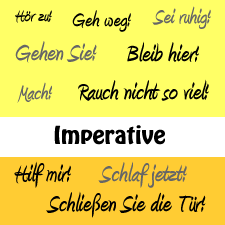
What is a Command in German – Imperative? An Imperative is used when giving commands, orders or instructions like “Shut up!” or “Help me!” In these cases the verb will be formed in a special way. The three different forms of the German imperative: There are three ways of giving commands in German by using […]

Read the Full Blog Post

Sun, Nov 7th 2010
The German verb sein - to be

The German verb sein – to be

Posted in: German Verb Table, German Verbs

The verb sein – to be strong verb, formed with sein Below are the verb tables detailing how the German verb sein is formed depending on the tense of the sentence. Knowing the different forms of sein through the tenses will allow you to construct sentences much easier. Present Tense Future Tense Conditional Tense ich […]

Read the Full Blog Post

Wed, Oct 27th 2010
How to Tell the Time in German

How to Tell the Time in German

Posted in: German Vocabulary

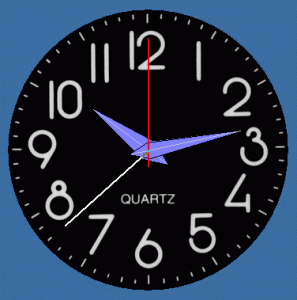
Asking the Time in German If you ask for the time in German you can either ask: „Wie viel Uhr ist es?“  Which literally means ‘how many hours is it?’ OR   „Wie spät ist es?“ – Literally ‘how late is it?’ Now of course this could be you asking the question, or someone else […]

Read the Full Blog Post


Wed, Oct 20th 2010
Berlin - A Guide to the Capital

Berlin – A Guide to the Capital

Posted in: Useful Information Germany

Berlin is the capital of Germany and is with 3.4 million inhabitants the largest city in Germany and the second largest city in the European Union. In this blog, we want to give you some useful information about Berlin 😀     Sights: Berlin consists of 12 districts, however most attractions are concentrated in just […]

Read the Full Blog Post


Wed, Oct 13th 2010
Comparatives in German and the Cases

Comparatives in German and the Cases

Posted in: German Grammar

The Cases with Comparatives in German In our last blog we discussed Comparatives in German. We talked about the connection with the words “als” and “wie” when we compare two things with each other. In this blog we want to show you how to build the comparative in connection with the four cases without using […]

Read the Full Blog Post